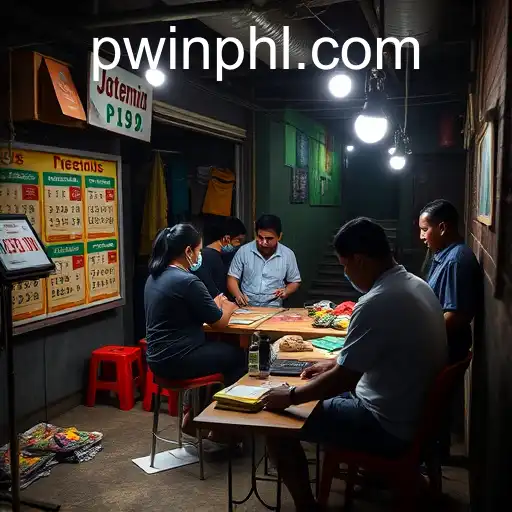
Understanding the Roots of Jueteng
Jueteng is more than just an illegal numbers game in the Philippines; it is a cultural phenomenon with deep historical roots. Originating during the Spanish colonial period, this game of chance has entrenched itself in Filipino society over centuries. Despite numerous government attempts to curb its spread, jueteng remains prevalent across various regions, often entangled with political and economic dimensions.
The Mechanics of the Game
06JL comThe mechanics of jueteng are straightforward, which partly explains its persistent popularity. Bettors choose a combination of two numbers from one to thirty-one. The winning numbers are drawn twice daily, allowing participants regular opportunities to engage in the game. The simplicity and frequent draws contribute to its appeal among the masses, particularly in rural areas where entertainment options may be limited.
Socio-Economic Factors Behind Jueteng
Jueteng thrives in economically disadvantaged sectors, where it is viewed as a quick means to earn money and improve one’s economic status. In communities plagued by poverty and unemployment, the allure of an easy windfall can be irresistible. Furthermore, jueteng operations provide jobs and serve as an alternative livelihood for some residents, albeit illegally. Given this economic context, shutting down jueteng operations is complex as it directly impacts the livelihoods of those involved.
Political Entanglements and Corruption
Jueteng's influence extends into the political sphere, where allegations of corruption frequently surface. There have been numerous reports of local politicians and law enforcement officials receiving bribes to turn a blind eye to jueteng activities. These allegations complicate efforts to eradicate the game, as some officials may have vested interests in its continuance. Consequently, jueteng becomes a microcosm of the broader issues of corruption and governance challenges in the Philippines.
Pursuing Legal Alternatives
To combat jueteng, the Philippine government has introduced legal alternatives such as the Philippine Charity Sweepstakes Office (PCSO) lotteries. These options aim to divert public engagement away from illegal activities while generating funds for governmental projects. However, these legal options have not fully supplanted jueteng, as these lotteries often lack the personal networks and community penetration that jueteng enjoys.
The Role of Community and Culture
A significant aspect of jueteng’s persistence is its integration into community culture. In many regions, the game doubles as a social activity where locals congregate, thus strengthening communal bonds. This strong cultural integration makes it more challenging for authorities to dismantle jueteng operations without provoking resistance from the community.
Efforts towards Eradication and Reform
Efforts to eliminate jueteng involve a multidimensional approach focusing on law enforcement, community education, and economic reform. Legislative measures are essential in providing a framework for lawful prosecution, while effective law enforcement ensures the rule of law is upheld. Community education about the socio-economic and legal repercussions of jueteng is vital for changing public perception and reducing demand.
PWIN PH: A Potential Path Forward
PERA57 BETPWIN PH represents a model that could revolutionize the approach to eradicating illegal gambling by offering sustainable solutions that address the root causes of jueteng. As part of this initiative, job creation and community empowerment programs could provide legitimate economic opportunities for those reliant on jueteng operations. Additionally, fostering a culture of legal compliance and civic responsibility may gradually diminish jueteng's hold on the populace.POWER INFINITY
Implementing Technological Solutions
Technological advancements offer new avenues for addressing jueteng. Utilizing online platforms and mobile applications for legal gambling can ensure regulatory oversight while offering convenience and security to the users. This digitization must be accompanied by stringent security measures to prevent fraud and protect users from potential abuse.jl678
For a comprehensive plan to be successful, it must incorporate grassroots involvement. Engaging community leaders in education and advocacy efforts is essential for gaining public trust and reducing resistance to change. Moreover, stakeholder collaboration between government bodies, private entities, and non-government organizations can drive holistic solutions that tackle jueteng’s societal implications.
The Road Ahead: Challenges and Opportunities
echo33Despite its complex challenges, the campaign against jueteng offers an opportunity to address wider socio-economic and political issues. Through informed policymaking, inclusive economic development, and community-based initiatives, the Philippines has the potential to limit jueteng's prominence. Whether focusing on legal alternatives or comprehensive community programs, the ultimate objective remains: replacing the need for jueteng with viable and sustainable alternatives that contribute to national development.